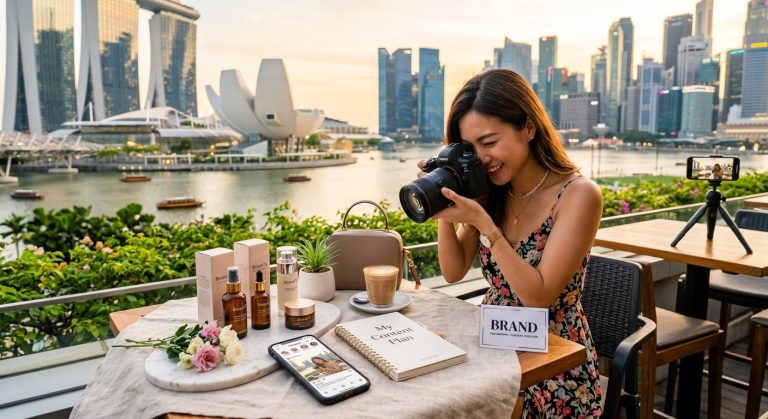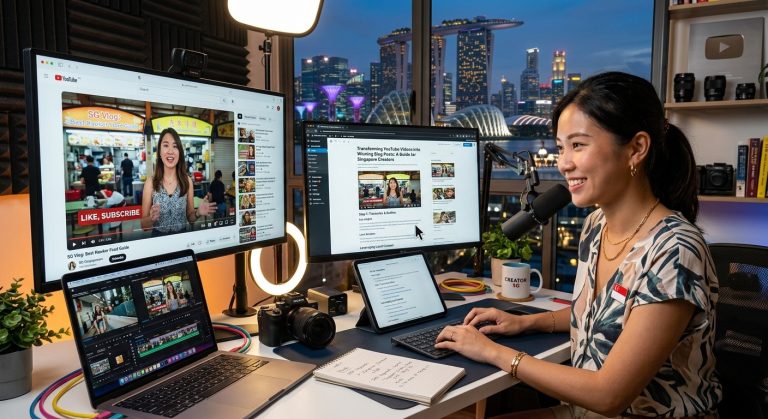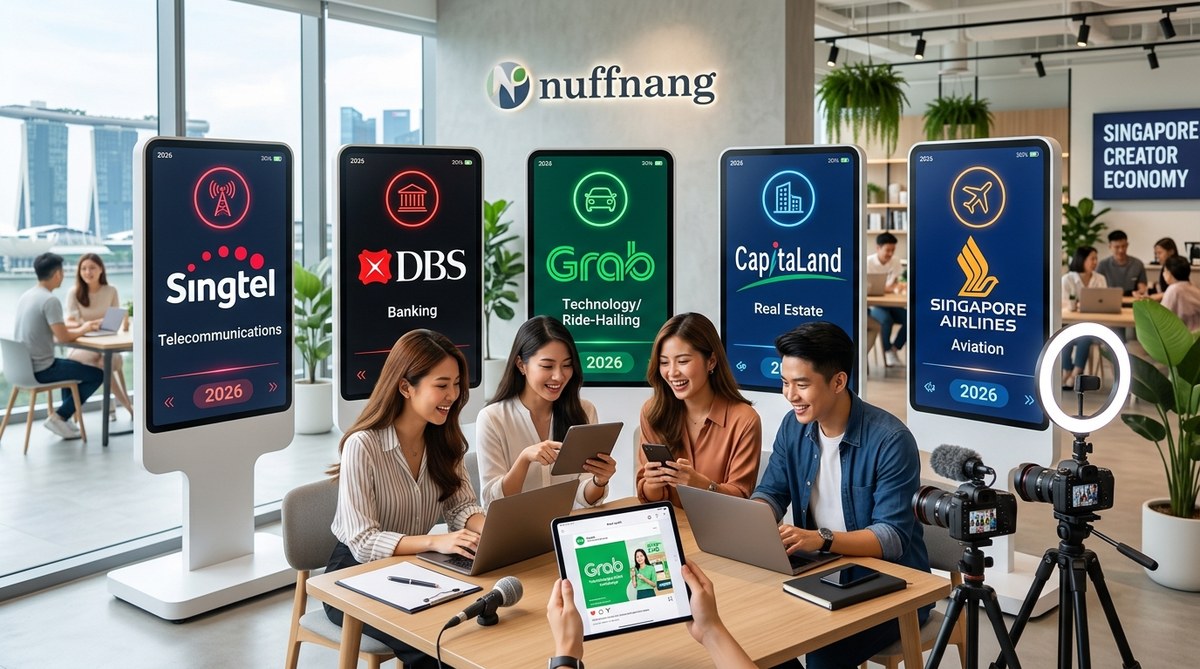
The local creator economy in Singapore has matured into a serious industry. Brands are no longer treating sponsored posts as an afterthought. They allocate real budgets to work with bloggers, vloggers, and micro-influencers who can move products and build trust with local audiences. If you have been wondering how to earn a sustainable income from your content without chasing pennies, you are in the right place. The key is knowing which companies invest heavily in creator partnerships and how to position yourself as the obvious choice for their campaigns.
Singapore brands paying bloggers in 2026 include major players in lifestyle, beauty, F&B, property, and tech. The highest spenders value authenticity, niche authority, and measurable engagement over raw follower counts. To land these deals, you need a strong media kit, a targeted pitch, and proof that your audience trusts your recommendations. This guide shows you exactly how to get noticed.
Why Some Brands Spend More Than Others
Not all brands treat influencer marketing the same way. Some see it as a nice to have. Others view it as a core channel for customer acquisition. The difference shows up in their budgets.
Brands that pay top dollar typically share a few traits. They operate in competitive categories like skincare, home renovations, or financial services. They need to build trust because their products are high involvement or high cost. And they understand that a generic ad cannot replace a genuine recommendation from a trusted creator.
In Singapore, the brands that consistently pay well include established names in beauty retail like Sephora and Watsons, property developers launching new condo projects, luxury hospitality groups, and direct to consumer (DTC) labels in health and wellness. These companies have marketing teams that track return on investment carefully. They are willing to pay premium rates for creators who can deliver results.
How to Identify High-Paying Singapore Brands
Before you start pitching, you need a clear picture of which brands are worth your time. Here is a practical process to find the ones that pay well.
- Monitor brand activity on influencer platforms. Sign up for platforms like Nuffnang Singapore, Kobe Global, or Partipost. These marketplaces list campaigns with budget ranges. You will see which brands run recurring campaigns and at what price points.
- Study competitor collaborations. Look at bloggers and creators in your niche who have been active for more than a year. Check their sponsored posts. Brands that work with the same creators repeatedly usually have healthy budgets and value long term relationships.
- Analyse brand content quality. High paying brands invest in production. If a brand produces polished campaign assets, hires photographers, or runs multi platform activations, they likely have a substantial marketing budget.
- Check job boards and briefs. Agencies like OOm, Gushcloud, and Aevice frequently post campaign briefs for Singapore brands. These briefs often include rate ranges. Bookmark a few of these sites and check them weekly.
- Attend industry events. Events like Social Media Week Singapore or Creator Economy Summit give you direct access to brand managers. Networking in person can lead to paid opportunities that never appear on public platforms.
What High-Paying Brands Look For in a Blogger
Brands that spend heavily are not just buying a post. They are buying access to a community. They want creators who can influence purchase decisions, not just generate likes.
Here is what they typically evaluate before saying yes.
- Audience trust metrics. Engagement rate matters more than follower count. A creator with 5,000 engaged followers often converts better than one with 50,000 passive ones.
- Niche authority. If you write about sustainable living in Singapore, a home grown eco brand will pay more for your endorsement than a general lifestyle blogger.
- Content quality. High resolution photos, clear video, and professional editing signal that you take your craft seriously.
- Reliability. Brands want creators who meet deadlines, follow briefs, and communicate clearly. One late post can ruin a campaign timeline.
- Authenticity fit. Your personal brand must align with their product. A luxury skincare brand will not pay top dollar for a creator whose feed is dominated by hawker food reviews.
Crafting a Pitch That Gets You Noticed
Your pitch is your first impression. It needs to show that you understand the brand, their audience, and your own value. Avoid generic templates. Personalise every message.
Here is a structure that works.
- Subject line that states your value. Example: “How I can help [Brand Name] reach young working adults in Singapore”
- Brief introduction. Who you are, what you cover, and your audience size.
- Specific reason for reaching out. Mention a recent campaign they ran or a product you genuinely like.
- Relevant metrics. Show engagement rate, top performing content, and a testimonial if you have one.
- Pitch idea. Offer one concrete concept for a collaboration. Show you have thought about it.
- Media kit link. Keep it simple. Do not attach large files. Use Google Drive or a PDF link.
“The best pitches I receive are the ones where the creator has clearly looked at our brand. They mention a specific product and explain why their audience would care. That tells me they are serious.” — Brand Manager at a Singapore beauty label
Common Mistakes That Kill Your Chances
Even experienced bloggers make errors that cost them deals. Here is a table of common mistakes and how to fix them.
| Mistake | Why It Hurts You | Better Approach |
|---|---|---|
| Sending a generic pitch | Looks lazy and untargeted | Research the brand and reference their recent work |
| Overpricing without justification | Brands will skip to the next creator | Show your value with case studies and metrics |
| Ignoring the brief | Makes you seem difficult to work with | Follow instructions exactly and deliver on time |
| Poor media kit design | Reduces your perceived professionalism | Use a clean template with clear sections |
| Not following up | Many deals go to the person who follows up politely | Send a short reminder after 5 to 7 days |
Building Long Term Relationships with Brands
One off collaborations are fine, but recurring partnerships pay the bills. To become a brand’s go to creator, focus on three things.
First, over deliver on every project. Send extra content, suggest ideas for future posts, and tag the brand in organic content between campaigns. Brands notice when you go beyond the minimum.
Second, share performance data after a campaign ends. A simple report showing reach, engagement, and any sales uplift proves your value. It makes the brand’s marketing team look good internally, which increases the chance they will rebook you.
Third, stay top of mind. Engage with their social posts, leave thoughtful comments, and share their content when it aligns with your voice. You want to be the first creator they think of when a new campaign launches.
Practical Steps to Start Earning More Today
You do not need to wait for brands to find you. Take action now.
- Update your media kit. Include your best metrics, a few testimonials, and examples of your work. If you need guidance, read this guide on 5 essential elements of a winning media kit for Singapore bloggers.
- Identify five brands you want to work with. Research their recent campaigns. Follow their social accounts. Understand their tone.
- Write personalised pitches for each brand. Send them out this week.
- Track your outreach in a simple spreadsheet. Note who you contacted, when, and the outcome.
- Create content that showcases your expertise. If you want to work with a skincare brand, post a detailed review of a product you bought yourself. Prove you can create value before you ask for payment.
Why Your Niche Matters More Than Your Follower Count
In 2026, the Singapore market has shifted away from vanity metrics. Brands have access to better analytics. They know that a micro influencer with a dedicated following in a specific area often outperforms a general influencer with a larger but less engaged audience.
If you blog about parenting in Singapore, a brand selling baby products will pay you more per post than a lifestyle blogger with ten times your followers. The same applies to niches like fitness, personal finance, home cooking, or pet care.
Focus on deepening your authority in your niche. Write comprehensive guides, share personal stories, and engage with your community. When a brand sees that your audience trusts you, they will be willing to pay a premium.
For more ideas on how to grow your presence, check out this resource on effective strategies for growing your Singapore-based content audience.
Negotiating Rates with Confidence
Many creators undersell themselves because they do not know what to charge. Here is a simple way to set your rates.
Start with your baseline. Calculate how much time a typical sponsored post takes. Include ideation, content creation, editing, captions, and engagement. Multiply that by the hourly rate you want to earn. For a professional creator in Singapore, a reasonable hourly rate in 2026 ranges from SGD 50 to SGD 150 depending on experience.
Then add a premium for usage rights. If the brand wants to repurpose your content on their website or ads, charge more. A standard usage fee is 30 to 50 percent of the base rate.
Finally, factor in exclusivity. If the brand asks you not to work with competitors for a period, that limits your income. Charge for that restriction.
Do not be afraid to negotiate. Brands expect it. If they push back, ask what they can offer instead. Sometimes the deal includes free products, event invites, or longer term commitments that make a lower rate worthwhile.
For a deeper look at this topic, visit this article on how to negotiate higher rates with Singapore brands in 2026.
The Brands That Are Spending Big in 2026
While specific budgets change, certain categories consistently pay well. Here are the sectors where Singapore brands are investing heavily in creator partnerships this year.
- Beauty and skincare. Brands like Sulwhasoo, Laneige, and local labels such as Allies of Skin run regular campaigns with high budgets.
- Property and real estate. Developers marketing new launches in areas like Bukit Timah, Pasir Ris, and Jurong East frequently pay top dollar for lifestyle content that showcases the living experience.
- Financial services. Banks, insurance companies, and investment apps are active. They value creators who can explain complex topics in relatable ways.
- Food and beverage. Restaurant groups and food delivery platforms run frequent campaigns, especially around holidays like Chinese New Year and Hari Raya.
- Tech and gadgets. Electronics brands launching new devices pay well for detailed reviews and unboxing content.
If you want to see a full list of brands that are actively paying bloggers, check out this pillar post on 5 local brands paying Singapore bloggers top dollar in 2026.
Your Next Move
You now have a clear roadmap. The brands are out there, and they are ready to spend. The difference between getting paid and getting ignored comes down to preparation and persistence.
Update your media kit this week. Research three brands you admire. Write personalised pitches. Send them out. Track your results. Adjust your approach based on feedback.
The Singapore creator economy rewards those who treat it like a business. Show up consistently, deliver value, and build relationships. The top dollar collaborations will follow.
Start today. Your next brand deal is waiting.
About the Author