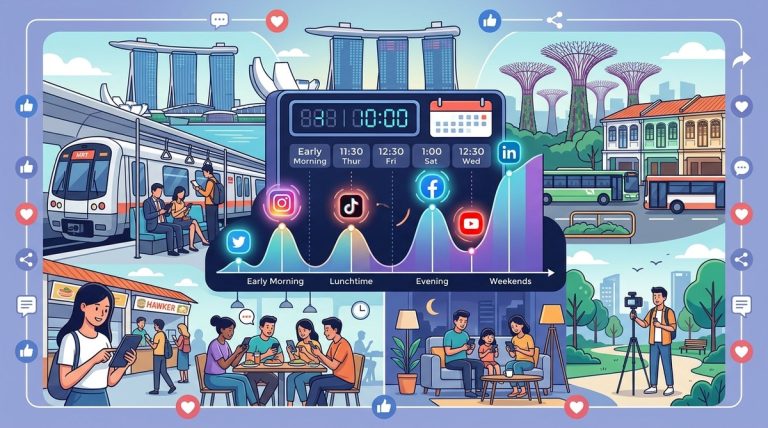
The local creator economy in Singapore is shifting. You have seen brands tighten their budgets for one-off sponsored posts. You have noticed your blog traffic dip when the algorithm changes on Instagram or TikTok. Relying on ad revenue alone feels unstable. What if you could own your audience and earn a predictable monthly income? That is exactly what a paid newsletter offers. It is a channel where your most engaged readers pay you directly for exclusive content. In 2026, this is not just a trend for international writers. It is a practical, high-margin strategy for Singapore bloggers who want financial freedom and a deeper connection with their community.
A paid newsletter gives you a recurring income stream that is not dependent on brand deals or ad clicks. For Singapore bloggers, this means stability in a volatile market. By packaging your unique local knowledge into a subscription product, you can earn a full-time income from a small, loyal audience. This guide covers the platforms, pricing, and content strategies that work best for creators in Singapore in 2026.
Why a Paid Newsletter Beats Other Monetisation Methods
Many Singapore bloggers run on a mix of Google AdSense, sponsored posts, and affiliate links. Each method has a ceiling. Ad revenue requires massive traffic. Sponsored posts rely on brand budgets that shrink during economic uncertainty. A paid subscription model flips the script. You earn from the people who value your voice most.
Consider the math. If you charge $12 a month (roughly the cost of a cafe meal in Singapore) and get 100 subscribers, that is $1,200 monthly. With 300 subscribers, it becomes $3,600. These numbers are achievable with a modest but dedicated readership. Compare that to needing 50,000 page views a month to earn the same from display ads. The economics favour depth over breadth.
A paid newsletter also builds a moat around your community. When you move platforms or change your blog focus, your subscribers come with you. You are not starting from zero every time the algorithm changes.
Choosing the Right Platform for Your Singapore Newsletter
Not all newsletter platforms are created equal, especially for a Singapore-based creator. You need a platform that handles payments in SGD, offers good deliverability to local email providers, and does not take too large a cut. Here is a comparison of the top contenders.
| Platform | Monthly Fee | Transaction Fee | Best For | Local Payment Support |
|---|---|---|---|---|
| Substack | Free | 10% | Writers who want simplicity | Stripe (SGD supported) |
| beehiiv | Free up to 2,500 subs | 0% on paid tiers | Growth focused creators | Stripe (SGD supported) |
| ConvertKit (Kit) | Starts at $9/month | 0% | Course sellers and email pros | Stripe (SGD supported) |
| Ghost | Self host or paid plan | 0% | Tech savvy bloggers | Stripe (SGD supported) |
| Buttondown | Starts at $9/month | 0% | Minimalist creators | Stripe (SGD supported) |
For most Singapore bloggers, beehiiv or Substack are the easiest starting points. beehiiv offers built-in growth tools like referral programs and a recommendation network. Substack has a large discovery network that can bring in new subscribers who are not yet following you. If you want full control over your design and data, Ghost is a solid choice, but it requires more technical setup.
What to Put Behind the Paywall
Your free blog and social media are your shop window. Your paid newsletter is the private members lounge. The content must feel exclusive and worth paying for. Here are the formats that work best for Singapore audiences.
- Deep dives on local topics: A guide to the best hawker stalls in a specific neighbourhood that includes secret menu items. A breakdown of the latest property cooling measures and what they mean for young homeowners. These are topics your general blog might touch on, but the paid version goes deeper.
- Weekly curated recommendations: A roundup of new restaurant openings, events, or sales that you have personally vetted. Your subscribers pay for your time saving them the effort of researching.
- Personal updates with insider access: Share your real income reports, behind the scenes stories of brand negotiations, or honest reviews of products you tried. This builds trust and intimacy.
- Interactive elements: Monthly Q&A threads where subscribers submit questions. Polls on what to cover next. A private Telegram or Discord group for community discussion.
A good rule is the 90/10 split. Keep 90% of your content free on your blog and socials. Reserve 10% for the paid newsletter. That 10% must be your highest value work.
How to Price Your Subscription in SGD
Pricing is a psychological game. In Singapore, consumers are price sensitive but willing to pay for convenience and exclusivity. Here are the common price points and what they signal.
- $5 to $8 per month: Impulse buy territory. Good for a casual newsletter with short weekly tips. Low churn because it feels like a small treat.
- $10 to $15 per month: The sweet spot for most bloggers. This signals serious value. It is the price of a Grab ride across town. Subscribers expect quality content at this level.
- $20+ per month: Only for highly specialised advice. Think a finance blogger sharing portfolio picks or a career coach giving industry specific guidance.
You can also offer an annual discount. For example, $120 per year instead of $144. This locks in subscribers for longer and improves your cash flow.
A Step by Step Plan to Launch Your Paid Newsletter
Follow this numbered process to go from idea to first paid subscriber.
- Audit your current audience. Check your email list, blog comments, and social media engagement. Look for the people who reply to your posts or ask for more detail. These are your potential first subscribers.
- Pick one niche angle. Do not try to cover everything. If your blog is about lifestyle in Singapore, your paid newsletter could focus on “budget friendly luxury” or “parenting hacks for expat families in Singapore”. The narrower the better.
- Set up your platform. Sign up for beehiiv or Substack. Connect your Stripe account. Write a compelling landing page that explains exactly what subscribers get.
- Create a launch sequence. Send 3 to 5 free preview emails to your existing list before asking for money. Build anticipation. Share a sample of the paid content.
- Announce the paid tier. Use a dedicated blog post and social media posts. Include a testimonial from a beta reader if you have one. Offer a limited time discount for the first 50 subscribers.
- Deliver consistently. Stick to a schedule. If you promise a weekly email, send it every week. Consistency builds trust and reduces churn.
- Ask for feedback. After one month, survey your subscribers. Ask what they love and what they want more of. Use this to refine your content.
Common Mistakes Singapore Bloggers Make
Avoid these pitfalls when starting your paid newsletter.
- Underpricing your value: Do not charge $3 a month because you feel shy. Your time and expertise are worth more. Price confidently.
- Neglecting email deliverability: Use a proper platform, not a Gmail blast. Warm up your sending domain. Monitor your open rates.
- Writing too broadly: A paid newsletter that sounds like a generic blog post will not retain subscribers. Make it personal and specific to Singapore.
- Ignoring the onboarding: When someone subscribes, send them a welcome email immediately. Tell them what to expect and link to your best past issues.
“The moment I started charging for my newsletter, I treated it like a real product. That shift in mindset made me a better writer and a more focused creator. My subscribers respect the paywall because they know I respect their time.” — A Singapore based lifestyle blogger who launched her paid newsletter in early 2026.
Promoting Your Paid Newsletter to a Singapore Audience
You cannot just put up a signup form and wait. You need to actively promote. Here are the channels that work.
- Your blog sidebar: Place a prominent call to action on every page. Use a specific headline like “Get the insider guide to Singapore’s best kept food spots for $9 a month.”
- Instagram Stories: Use the link sticker or your bio link. Tease a snippet from the latest paid issue. Show the value without giving everything away.
- Collaborations: Partner with another Singapore blogger for a joint giveaway. Offer a free month of each other’s newsletters to cross pollinate audiences.
- Local platforms: Share your newsletter on Telegram groups, Reddit communities like r/singapore, or Facebook groups for local creators. Be genuine and add value before sharing your link.
For more ideas on growing your audience, check out this guide on effective strategies for growing your Singapore-based content audience.
Managing the Business Side in Singapore
Running a paid newsletter means you are a business owner. You need to handle a few local requirements.
- GST registration: If your annual turnover from the newsletter and other income exceeds $1 million, you must register for GST. Most bloggers will not hit this threshold, but track your income anyway.
- Income tax: All newsletter revenue is taxable. Declare it as business income. Keep records of platform fees and software costs as deductions.
- Payment processing: Stripe is the most common option and supports SGD. PayPal is also available but has higher fees for international transactions.
If you want a full breakdown of local tax rules, read this article on mastering the Singapore GST and tax implications for your blog income in 2026.
Your First Year Revenue Target
Set a realistic goal. Here is a sample trajectory for a Singapore blogger starting a paid newsletter in 2026.
- Month 1: 10 subscribers at $12/month = $120
- Month 3: 40 subscribers = $480
- Month 6: 100 subscribers = $1,200
- Month 12: 200 subscribers = $2,400
This assumes you are actively promoting and delivering high value content. If you grow faster, great. If slower, adjust your pricing or content format.
Making the Leap from Free to Paid
The hardest step is the first ask. You might worry that your readers will feel offended or that you will lose followers. The truth is that the people who truly value your work will be happy to support you. Those who leave were never going to become loyal readers anyway.
Start with a “supporter” tier. Offer a paid newsletter alongside your free content. This reduces the pressure. You can always increase the price or add more tiers later. The key is to start.
If you need more ideas on diversifying your income beyond sponsored posts, the article on 7 proven ways to monetize your Singapore blog beyond sponsored posts is a great companion read.
Your Next Move
A paid newsletter is not a get rich scheme. It is a long term asset. It takes work to build trust and to write consistently. But the freedom it gives you is worth the effort. You are no longer waiting for the next brand deal to drop. You are building a direct relationship with your readers.
Start today. Choose your platform. Write your first premium issue. Send it to a trusted friend for feedback. Then hit publish. Your future self will thank you.
About the Author