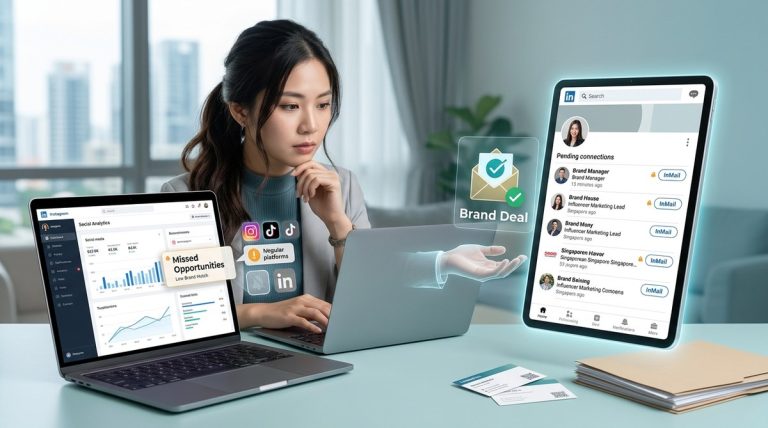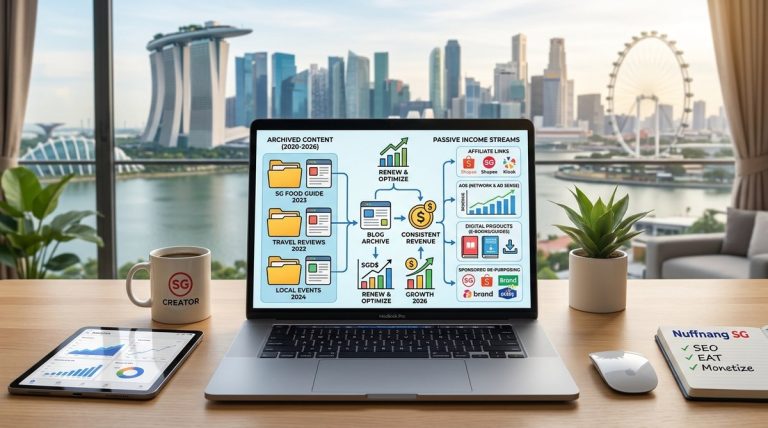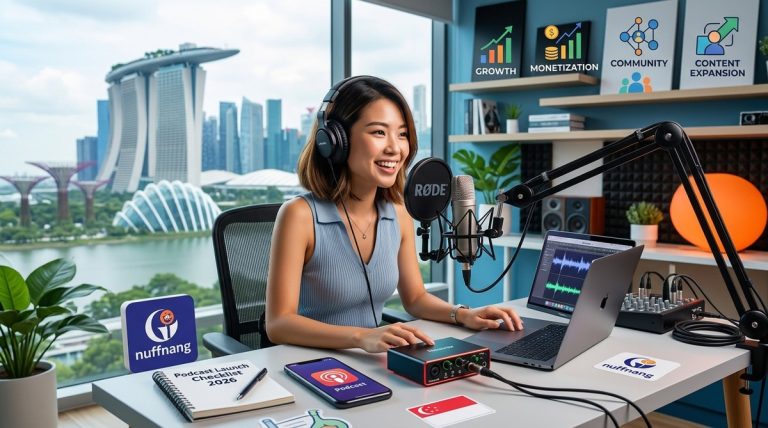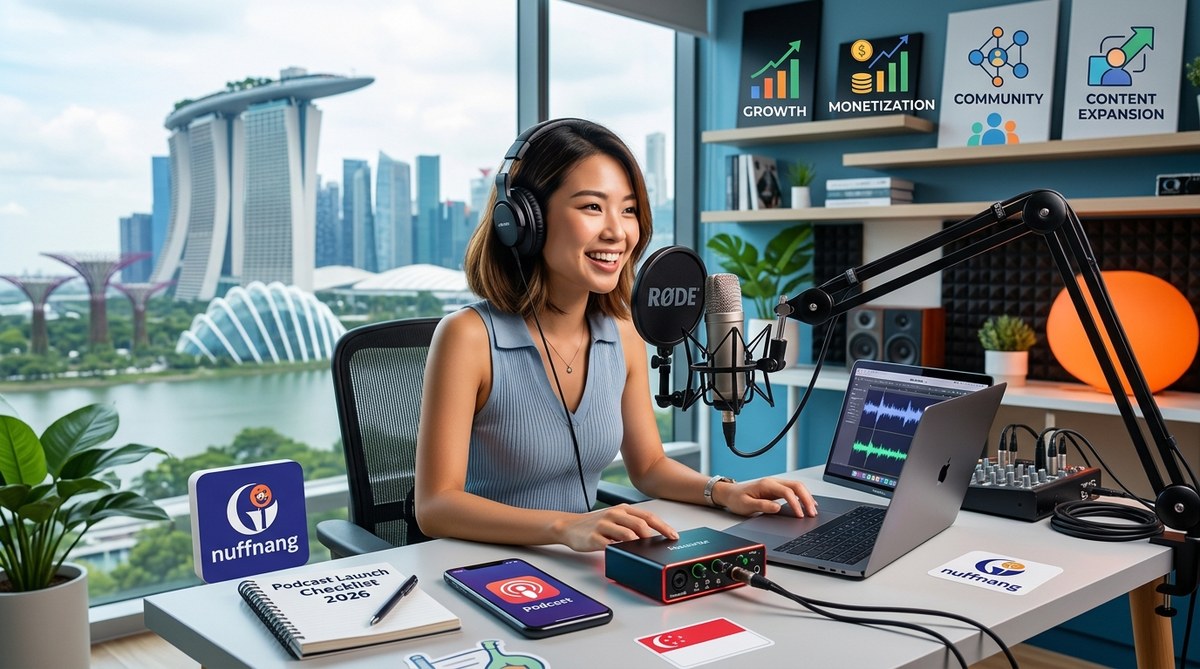
You already write blog posts, film Reels, and edit photos for your Singapore audience. Adding a podcast might feel like one more thing on your plate. But here is the truth: audio content is the missing piece that can turn casual blog readers into loyal fans who trust your voice literally. In 2026, Singapore bloggers who start a podcast are not just diversifying their content. They are building deeper relationships with their audience and unlocking new revenue streams that written posts alone cannot reach.
Podcasting in 2026 is not a side project for Singapore bloggers. It is a strategic move to monetise your influence through host-read ads, sponsored segments, and cross-platform repurposing. This guide covers why audio works for local creators, the exact gear you need, and how to launch without burning out. Start small, stay consistent, and let your voice do the work.
Why 2026 Is the Right Year for Singapore Bloggers to Start a Podcast
The audio landscape in Singapore has matured. Spotify and Apple Podcasts report steady listener growth in Southeast Asia, and local brands are allocating budget to podcast sponsorships. For a blogger, a podcast offers something your written content cannot: the sound of your personality.
Listeners hear your tone, your laugh, and your authentic reactions. That builds trust faster than a 1,500 word article. In a small market like Singapore, where word of mouth travels through WhatsApp groups and Telegram channels, a podcast gives people a reason to talk about you.
Here are three reasons the timing works in your favour:
- Low barrier to entry. You do not need a studio. A USB microphone and a quiet corner in your HDB flat are enough to start.
- Brands want audio partnerships. More Singaporean companies are looking for podcast hosts to read mid-roll ads, especially for lifestyle, finance, and parenting products.
- Content repurposing is easier. One 30 minute episode can become two blog posts, three Instagram Reels, and five LinkedIn carousels. That is efficiency every blogger needs.
What You Need to Launch: A Practical Gear List
You do not need to spend thousands of dollars. In fact, over investing in gear before you know your workflow is a common mistake. Start with the basics and upgrade only when your audience grows.
- A USB condenser microphone. The Blue Yeti or the Rode NT USB are reliable choices. They plug directly into your laptop and capture clear audio without background hiss.
- A pop filter. This simple foam screen stops plosive sounds (the “p” and “b” pops) from ruining your recording. It costs under SGD 20 on Shopee.
- Free recording software. Audacity (desktop) or the built in voice recorder on your phone work fine for solo episodes. For interviews, use Riverside or Zencastr. Both have free tiers.
- A quiet space. Record in a room with soft furniture. Curtains, a sofa, or even a wardrobe full of clothes absorb echo. Avoid tiled bathrooms and empty rooms.
- Headphones. Closed back headphones prevent audio bleed. The Audio Technica ATH M20x is a cost effective option.
Do not worry about video yet. Audio first, video later. Many successful Singapore podcasts started as audio only and added YouTube recordings after episode ten.
How to Choose a Topic That Connects with Singapore Listeners
Your blog already has a niche. That is your starting point. A food blogger can create a podcast about hawker centre histories and hidden recipes. A finance blogger can talk about CPF, insurance, and investing in your 20s. A lifestyle blogger can share honest stories about adulting in Singapore.
The key is to narrow your focus. A podcast called “The Singapore Foodie” is too broad. A podcast called “Kopi Talk: Stories Behind Singapore’s Coffeeshop Menus” is specific and searchable.
Ask yourself these three questions:
- What do my blog readers ask me most often?
- What topic can I talk about for 20 minutes without notes?
- Which local brands would naturally sponsor this topic?
Your answers will reveal your podcast angle. Write it down and test it with a single episode before committing to a season.
Recording and Editing: A Simple Workflow
You do not need to be a sound engineer. Follow this sequence for a clean episode every time.
| Step | Action | Time Estimate |
|---|---|---|
| 1 | Write a bullet point outline, not a script | 15 minutes |
| 2 | Record in a quiet room with the mic 15 cm from your mouth | 20 to 30 minutes |
| 3 | Edit out long pauses and mistakes using Audacity or Descript | 30 to 45 minutes |
| 4 | Add intro and outro music (use royalty free tracks from Uppbeat) | 10 minutes |
| 5 | Export as MP3 and upload to your hosting platform | 5 minutes |
A common mistake is over editing. Listeners forgive small imperfections. They do not forgive a robotic, over produced voice. Keep your natural rhythm.
Expert advice from a Singapore based podcast producer: “The best episodes are the ones where the host sounds like they are talking to one friend over teh tarik. If you sound like you are reading a press release, people will switch off within the first minute.”
Hosting, Distribution, and Growing Your Audience
Once your episode is ready, you need a podcast host. This is the platform that stores your audio files and generates the RSS feed that sends your show to Spotify, Apple Podcasts, and other directories.
Recommended hosting platforms for Singapore bloggers:
- Buzzsprout. Simple interface, good for beginners. SGD 15 per month for the basic plan.
- Transistor. Clean analytics and easy team collaboration. SGD 19 per month.
- Anchor (by Spotify). Free, but limited control over your RSS feed. Good only for testing the waters.
After you submit your RSS feed to directories, promote your podcast on your existing channels. Write a blog post announcing your launch. Record a Reel showing your recording setup. Add a link to your podcast in your Instagram bio and your email newsletter.
Growth takes time. Aim for one episode per week for the first three months. Consistency matters more than perfection.
Monetising Your Podcast as a Singapore Blogger
This is where your blog background gives you an advantage. You already have relationships with brands. Now you can offer them a new format.
Here are four ways to earn from your podcast:
- Host read ads. Brands pay you to personally recommend their product during the episode. Rates vary, but a Singapore podcast with 500 to 1,000 downloads per episode can charge SGD 200 to SGD 500 per ad slot.
- Sponsored segments. A brand sponsors an entire episode or a mini series. For example, a skincare brand might sponsor a five part series on “Self Care Sundays.”
- Affiliate links in show notes. Every episode description can include affiliate links to products you mention. Use your existing Shopee or Amazon affiliate accounts.
- Cross promotion with your blog. Bundle your podcast sponsorship with a blog post and an Instagram Reel. Brands in Singapore love multi format deals. You can learn more about this approach in our guide on maximising your brand collaborations as a Singapore influencer.
Remember to disclose sponsored content. The Advertising Standards Authority of Singapore requires clear labelling. Use phrases like “This episode is brought to you by” or “Thank you to our sponsor.”
Common Mistakes Singapore Bloggers Make When Starting a Podcast
Avoid these pitfalls to save time and frustration.
| Mistake | Why It Hurts | Better Approach |
|---|---|---|
| Buying expensive gear first | You waste money on features you do not need | Start with a SGD 100 microphone |
| Recording without an outline | You ramble and lose listeners | Write 5 bullet points before recording |
| Ignoring show notes | You miss SEO opportunities | Write 200 word episode summaries with keywords |
| Posting irregularly | Listeners forget about your show | Commit to one episode per week |
| Skipping audio cleanup | Background noise distracts the audience | Use free noise reduction in Audacity |
How to Repurpose Your Podcast Content for Maximum Reach
One episode can feed your entire content engine. Here is how to stretch each recording.
- Write a blog post based on the episode transcript. Use the same topic but expand it with written examples. This is a great way to repurpose your blog content for Singapore social media platforms.
- Pull out a 60 second clip for Instagram Reels. Pick a moment where you share a strong opinion or a funny story.
- Create a LinkedIn carousel with the top three takeaways from the episode. Local professionals engage with actionable tips.
- Share a quote card on your Instagram Stories. Use a tool like Canva to overlay a quote on a photo of your recording setup.
This system means you never run out of content ideas. Your podcast becomes the engine, not an extra chore.
Your First 30 Day Launch Plan
Follow this numbered list to go from idea to published episode in one month.
- Week one: Define your topic and record a test episode. Listen back and adjust your speaking pace.
- Week two: Set up your hosting account and design simple cover art using Canva. Keep it clean and readable on a phone screen.
- Week three: Record your first three episodes. Batch recording saves time. Do them all in one afternoon.
- Week four: Upload and launch. Submit your RSS feed to Spotify, Apple Podcasts, and YouTube Music. Publish a launch post on your blog and social channels.
Do not wait until your podcast is perfect. Launch with one episode and improve as you go. Your audience will grow with you.
Your Voice Deserves to Be Heard
Starting a podcast in 2026 is not about chasing a trend. It is about giving your Singapore audience a new way to connect with you. Your blog readers already trust your writing. Now they want to hear your voice. The gear is affordable, the workflow is manageable, and the monetisation opportunities are real.
Record your first episode this month. Keep it short, keep it honest, and keep it local. You might be surprised by how many people hit subscribe.
About the Author