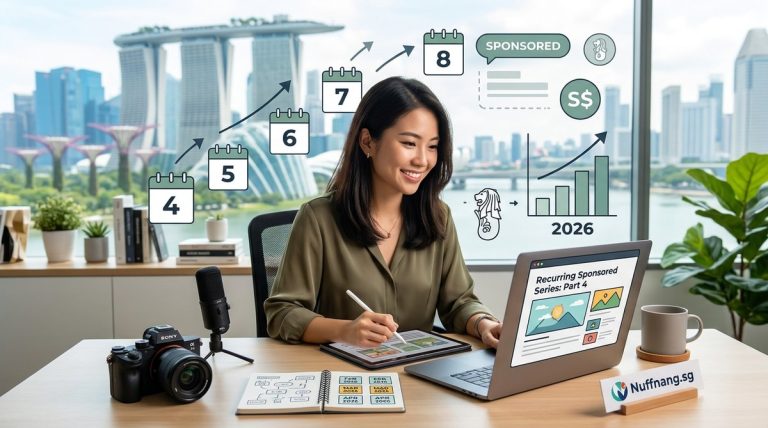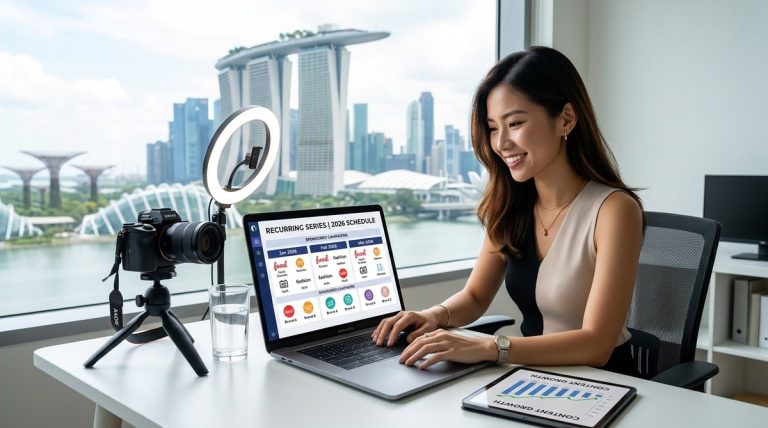
You have built a loyal audience. Your content is solid. But you are tired of pitching one-off sponsored posts that pay once and disappear. The solution is a recurring sponsored series. In 2026, Singapore brands are looking for consistency, not flash-in-the-pan campaigns. They want to park their budget in a format that delivers month after month. This guide shows you exactly how to build that series and make it irresistible to local brands.
To secure recurring sponsorship funding in Singapore in 2026, you need a format that solves a brand problem, not just a content gap. Build a series with a clear audience, repeatable structure, and measurable outcomes. Package it as a media property, not a content calendar. Brands will fund it because it reduces their risk and guarantees them consistent, high-quality exposure.
Why Singapore Brands Are Hungry for Series in 2026
The marketing landscape in Singapore has shifted. Brands are moving away from single influencer posts that vanish after 24 hours. They want owned media partnerships that build brand recall over time. A recurring series gives them that. Think of it as renting a billboard on Orchard Road versus buying a ten second radio ad. The series keeps their name in front of your audience every week or month.
In 2026, the cost per acquisition for customer attention is rising. Brands like NTUC FairPrice, Singtel, and DBS are allocating more budget to long-form content partnerships. They want to tell stories, not just push promotions. A sponsored series lets them do that while you maintain editorial control.
The Anatomy of a Fundable Series
Before you pitch, you need a clear structure. Brands will ask three questions. Who watches this? What is the format? How do you measure success? If you cannot answer these in under sixty seconds, your pitch fails.
Here is the anatomy of a series that gets funded.
- A specific audience niche. Do not say “everyone in Singapore.” Say “health conscious young professionals living in the East who shop at Cold Storage.” The more specific, the better.
- A repeatable format. Each episode or post follows the same structure. This makes production efficient and predictable for the brand.
- Integrated brand placement. The brand is part of the story, not a banner ad. For example, a cooking series where FairPrice ingredients are used naturally.
- Clear metrics. Track views, saves, comments, click through rates, and brand lift surveys. Show the brand exactly what they are paying for.
The Three Formats That Work Best in Singapore
Not all series formats are equal. Based on what is working in the local market, these three formats consistently attract brand funding.
| Format | Best For | Example Brand | Typical Duration |
|---|---|---|---|
| The Challenge Series | Fitness, food, or lifestyle brands | A six week fitness challenge sponsored by a sportswear label | 6 to 12 episodes |
| The Expert Interview | Finance, health, or education brands | A weekly chat with financial planners sponsored by a bank | 8 to 10 episodes |
| The Day in the Life | Travel, fashion, or F&B brands | A monthly vlog series sponsored by a hotel or restaurant group | 6 to 12 episodes |
Each format gives the brand a natural reason to return. The challenge series drives engagement. The interview builds authority. The day in the life creates aspirational content.
How to Package Your Series as a Media Property
This is the most important shift you can make. Stop thinking of your series as “content.” Start thinking of it as a media property. A media property has a name, a logo, a consistent release schedule, and an audience that waits for it.
Give your series a proper title. For example, “The Sunday Reset with Sarah” instead of “Weekly Vlog.” Create a simple intro sequence. Use the same thumbnail style for every episode. When you pitch to a brand, you are not selling them a slot. You are selling them a sponsorship of an established show.
“When I started treating my monthly recipe series like a TV show, brands stopped asking for discounts and started asking for multi season deals. The format made them feel safe.” – Mei Ling Tan, Singapore food creator with 45k subscribers.
What Brands Look for in a 2026 Pitch
Singapore brands are more sophisticated than ever. They have seen every pitch deck. Here is what they are looking for this year.
- First party data. If you have an email list or a private community, mention it. Brands want to reach your audience directly, not just through the algorithm.
- Cross platform distribution. Do not keep the series on one platform. Repurpose it for YouTube, Instagram Reels, TikTok, and your blog. Show the brand how far their money goes.
- Audience loyalty metrics. High engagement is better than high reach. Show them your comment quality, your save rate, and your repeat viewership.
Mistakes That Kill Your Pitch
Avoid these common errors when you approach a brand for sponsored series funding Singapore 2026.
- Pitching without a pilot episode. Produce one sample episode first. Let the brand see exactly what they are buying.
- Asking for too much too soon. Start with a short commitment, like three episodes. Prove the concept, then negotiate a longer run.
- Ignoring the brand’s existing campaigns. Research what the brand has done before. Reference their past work in your pitch. It shows you care.
A Step by Step Process to Lock In Funding
Follow this process to move from idea to signed contract.
- Identify five brands that fit your niche. Look at who advertises in your space. Check their Instagram and LinkedIn for past sponsorships.
- Create a one page pitch document. Include the series name, audience profile, format description, and a sample episode outline. Keep it to one page.
- Produce a pilot episode. Use your own budget if needed. This is your proof of concept. Brands trust what they can see.
- Send a personalised pitch. Reference something specific about the brand. For example, “I noticed your recent campaign on sustainable packaging. My series on zero waste living in HDB flats would be a perfect match.”
- Offer a test run. Propose a single sponsored episode before committing to a full series. If they like the results, the series is easier to sell.
- Present a renewal framework. In your contract, include a clause for a second season with a rate increase. This sets the expectation for a long term relationship.
Why Your Existing Content Calendar Is Not Enough
Many creators think a recurring series is just a calendar of topics. It is not. A calendar is a list of ideas. A series is a production system. You need a consistent visual style, a fixed release day, and a promotion plan that starts before each episode drops.
For example, if your series goes live every Tuesday, you should tease it on Monday, post it on Tuesday, and recap it on Wednesday. Your audience learns to expect it. Brands see that rhythm and know their investment will not be wasted.
If you need help structuring your overall content plan, check out our guide on maximising your Singapore blog income through strategic content planning. It will help you align your series with your broader monetisation goals.
The Role of Community in a Sponsored Series
In 2026, brands are obsessed with community. They want to be where the conversation is. If you have a private Telegram group, a Discord server, or a WhatsApp broadcast list, that is gold.
Invite the brand into your community for an exclusive Q&A or a behind the scenes look at your series. This gives them direct access to engaged fans. It also strengthens your pitch because you are offering something no algorithm can replicate.
Learn more about building authentic brand partnerships as a Singapore influencer to see how community driven relationships lead to long term deals.
How to Price Your Series for 2026
Pricing is where most creators get stuck. You do not want to undervalue yourself, but you also want to be realistic about the Singapore market.
Consider these factors when setting your rate.
- Production cost. How much time and money goes into each episode? Include filming, editing, thumbnail design, and promotion.
- Audience size and engagement. A smaller audience with high trust can charge more than a large audience with low engagement.
- Exclusivity. If the brand wants to be the sole sponsor, add a premium.
- Usage rights. If the brand wants to repurpose your content for their own ads, charge separately.
A simple formula is: (hourly rate x hours per episode) + production costs + a 30% premium for the series format. The premium accounts for the consistency and reliability you provide.
For more on negotiating rates, read how to negotiate higher rates with Singapore brands in 2026.
What Happens After the First Season
Your goal is not just to get funded once. It is to build a series that runs for years. After the first season, collect all the performance data. Create a case study that shows the brand exactly what they got for their money. Then pitch a second season with a larger scope.
Brands in Singapore appreciate loyalty. If you deliver results, they will stay. The key is to treat the series as a partnership, not a transaction. Ask for feedback. Adjust the format. Keep improving.
Turning Your Series Into a Long Term Asset
A recurring sponsored series is the closest thing to a retainer you can get as a creator. It gives you predictable income, a stronger brand, and a portfolio piece that attracts bigger partners. In 2026, the creators who win are the ones who stop chasing one off deals and start building media properties that brands want to be part of.
Start small. Pick one format. Pitch one brand. Produce one pilot. Then repeat. The series you build today could be the foundation of your full time income next year.
For more ideas on growing your audience and attracting the right sponsors, take a look at effective strategies for growing your Singapore-based content audience. Your next big brand partnership is closer than you think.
About the Author