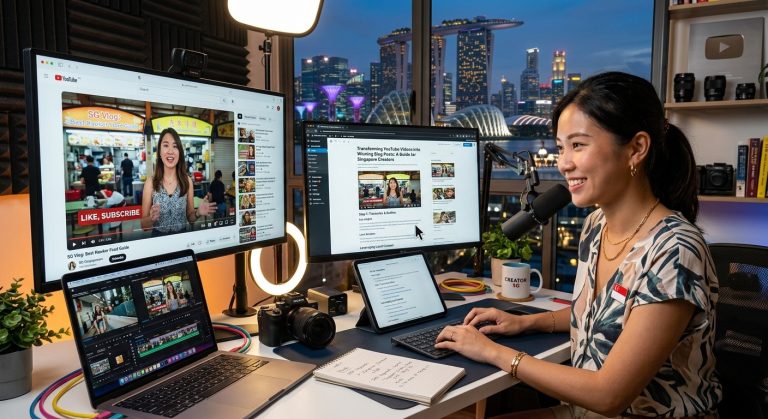
In 2026, the Singapore brand landscape has shifted firmly toward authenticity. Large corporate budgets still flow, but more and more local labels, F&B groups, and lifestyle services are turning to micro-influencers with engaged communities. The reason is simple: a creator with 5,000 highly engaged followers in Singapore can deliver better ROI than a celebrity with 500,000 uninterested ones. If you have been building your personal brand on Instagram, TikTok, or YouTube, brands are now actively looking for you. The key is knowing how to pitch yourself the right way.
Pitching to Singapore brands in 2026 is about showing genuine fit. Research the brand, tailor your email, and include a media kit that highlights local engagement metrics. Use the three-step pitch formula below and avoid common mistakes like generic templates. With the right approach, even a small account can win paid collaborations and long term partnerships.
Start with real preparation before you write a single word
Many creators rush into sending emails without doing the groundwork. In Singapore, where the market is small and word travels fast, a sloppy pitch can damage your reputation. Take time to understand what a brand values.
Look at their recent collaborations. Which influencers have they worked with? What kind of content did they post? Check if your audience overlaps with theirs. Do your followers match their target customer? For example, if you cover budget friendly home cooking in a HDB flat, pitching to a premium restaurant group along Orchard Road might not make sense unless your content shows you enjoy fine dining too.
Consider their campaign goals. Are they launching a new product? Promoting a seasonal event like the Great Singapore Sale? Or trying to build brand awareness among Gen Z? Your pitch should align with their current needs.
As part of preparation, build a simple media kit. It does not need to be fancy. Use tools like Canva or create a Google Slides file. Include your best content samples, audience demographics (age, location, interests), and engagement rate. Singapore brands care about local reach. If most of your followers are in Singapore, highlight that.
[Building authentic brand partnerships as a Singapore influencer] starts with this kind of homework https://nuffnang.com.sg/building-authentic-brand-partnerships-as-a-singapore-influencer/). The more you know about a brand, the more personalised your pitch can be.
The three step pitch process that works for Singapore brands
After you have done your research, it is time to craft your pitch. Structure it in three clear steps. Each step builds on the last.
Step 1: Write a compelling subject line
The subject line is your first impression. Keep it short and specific. Avoid generic lines like "Collaboration opportunity". Instead try something like:
- "Love your new matcha series – idea for collaboration"
- "Helping [Brand Name] reach more Singapore foodies"
- "Micro influencer with 8% engagement in SG loves your products"
Mentioning "Singapore" or local context helps you stand out. Avoid spammy words like "free" or "urgent". Aim for a subject line that sounds like a friendly email from a genuine fan.
Step 2: Introduce yourself and state the value you offer
In the first paragraph, say who you are and why you are reaching out. Be direct. Example:
"Hi [Name], I am [Your Name], a food and lifestyle creator based in the east of Singapore. I have been following [Brand Name] for six months and absolutely love your new laksa inspired sauce. My audience of 4,500 followers is mostly Singaporeans who actively cook at home. I believe a recipe video featuring your sauce would resonate with them."
Notice how the email shows specific knowledge and a clear connection. Brands can easily see the potential.
Step 3: Propose a collaboration idea and include your media kit
After introducing yourself, give a brief idea of what you can do. Do not ask for a brief. Instead, suggest a concept you know would work for their product. For instance:
"I would love to create a short reel showing how I use your sauce in a five minute lunch recipe. I can also include a swipe up link to your website. My estimated reach is around 8,000 views based on my recent reel performance. Attached is my media kit with examples of past brand work."
Then end with a simple call to action. "I would be happy to discuss this further. Let me know if you would like to see some sample posts or hop on a call."
Make sure your email is concise. Brands receive dozens of pitches daily. A long email will likely be ignored.
Common pitching mistakes and how to avoid them
Here is a table of frequent errors micro-influencers make when pitching to Singapore brands, along with the fix.
| Mistake | Why it hurts you | How to fix it |
|---|---|---|
| Sending the same email to ten brands | Makes you look lazy. Brands talk to each other and may compare. | Personalise each email. Mention something specific about that brand. |
| Not including a media kit | Brands need data to decide. Without a kit, you look unprofessional. | Create a simple one page PDF with your stats and best work. |
| Asking for payment structure in the first email | It signals you care only about money, not the partnership. | Focus on value first. Let them bring up budget later. |
| Overpromising reach or engagement | Brands can verify your metrics. Fake numbers get you blacklisted. | Be honest. Use actual screenshots from your analytics. |
| Writing in a very casual or Singapore slang heavy tone | While friendly, excessive slang can seem unprofessional to some brand managers. | Keep it warm but clear. Use proper English without being corporate. |
Blockquote style advice from a brand manager I spoke to recently:
"I appreciate when a creator shows they actually know what we do. A pitch that says 'I love your product' without naming the product reveals they haven't done their homework. We always prefer a short, specific email over a long, generic one."
Follow up without being annoying
If you do not get a reply within five to seven business days, send one polite follow up. Keep it short. Example:
"Hi [Name], just checking in on my previous email. Would love to hear your thoughts when you have a moment. Thanks!"
Do not send more than two follow ups. If they are not interested, move on. There are plenty of other brands in Singapore that would love to work with you. You can also refine your approach based on who responds and who does not.
Consider pitching to different types of brands. Local cafes, fitness studios, fashion boutiques, and even community organisations often work with micro influencers. Many of them have marketing managers who value authentic content over big numbers.
For more ideas on getting started, read how to land your first brand deal as a Singapore blogger in 2026.
What to include in your media kit for 2026
Your media kit is your resume as a creator. Update it every few months. Here is what Singapore brands expect to see:
- A brief bio about you and your niche
- Your follower count across platforms
- Average engagement rate (likes plus comments divided by followers)
- Demographic breakdown: percentage of followers in Singapore, age groups, gender
- Three to five examples of past collaborations with metrics (views, saves, link clicks)
- Testimonials if you have any from previous brand partners
- Your contact information including email and social handles
Keep the design clean and easy to read. Avoid cluttered layouts. You can host the media kit on Google Drive or your own website. If you need help planning your content, check out mastering content strategy for Singapore creators in 2026.
Build long term relationships, not one off deals
A single paid post is fine, but the real opportunity lies in ongoing partnerships. Singapore brands value consistency. If a brand sees that your content drives sales or foot traffic, they will want to work with you again.
To encourage repeat collaborations, do these things:
- Deliver your content on time and exactly as agreed
- Share performance data after the campaign (screenshots of views, saves, coupon redemptions)
- Tag the brand in your stories and give them extra love even when not sponsored
- Send a thank you note after the campaign ends
These small gestures build trust. Over time, you become a go to creator for that brand. Check out strategic tips for building long term brand collaborations in Singapore for deeper advice.
Your turn to pitch
You already have the niche and the audience. Now you just need to reach out. Start with two or three brands you truly admire. Write personalised pitches using the structure above. Track your results. Adjust your approach based on what works.
Remember that even a no is data. It tells you where to improve. Keep refining your media kit, your subject lines, and your content. In 2026, micro influencers in Singapore have more opportunities than ever. The ones who pitch smartly and professionally will be the ones who win.
Good luck. Go send that email.
About the Author